
The distinctive “shell” roof of the Sydney Opera House reminds us that a roof is more than architecture – it’s your home’s first line of defence. In Sydney’s climate, a reliable Roofing Specialist Sydney can be the difference between staying dry or laundry-by-tub. The Harbour City’s homes range from classic terrace houses in Surry Hills to waterfront mansions in Manly, but every roof faces the same harsh sun, storms and occasional hail. As experts note, Australia’s extreme weather (heatwaves, intense rain, cyclones) is more frequent now, which means roofs wear out faster. Think of your roof like sunscreen for your house: if it’s cracked, faded or sagging, you want a pro checking it out right away.
Why Your Sydney Roof Needs Expert Care
Sydney’s mix of scorching summers and wild rains means roof problems can sneak up fast. Roof specialists stress that regular maintenance is crucial in this climate, especially as changing weather patterns continue to intensify conditions, as highlighted by NSW climate change insights. If a roof is over 20 years old, or if you spot cracked/missing tiles, persistent leaks, or a sagging roofline, replacement may be due.
Trustworthy Roofing Specialist Sydney pros know that even subtle signs – a few stray tiles or creeping damp patches – can signal trouble. After all, while the Opera House’s sail-like roof turns heads, most of us aren’t wrestling with concrete shells; we’re battling UV rays, heavy downpours and humidity that can degrade tiles and metal over time. In short, your roof is like your favourite pair of shoes: it protects you from the elements, and once it fails, you really notice.
- Sydney climate challenges: Intense UV fades and cracks roofs, while rain and storms (plus salty sea air in coastal suburbs) can loosen tiles and corrode metal.
- Storm and fire events: Even outside bushfire zones, electrical storms and wind can dent Colorbond steel or dislodge slate, so post-storm inspections are wise.
- Crowded habitats: Mature trees common in Sydney’s suburbs drop leaves and branches on roofs, trapping moisture (think A from Wahroonga to Vaucluse). Gutter blockages are a year-round risk without cleaning.
Common Sydney Roofing Materials & Lifespans
Sydney homes use a variety of roofing materials, each with its own vibe and lifespan. In an info-packed table below, we see typical life expectancies:
|
Material |
Typical Lifespan |
|
Concrete Tiles |
50+ years (durable, fire-resistant) |
| Metal (Colorbond/Zincalume) |
30–50 years (lightweight, cyclone-resistant) |
|
Terracotta Tiles |
50–75 years (long-lasting, excellent thermal performance) |
| Asphalt Shingles |
15–25 years (cheaper but less heat-resistant) |
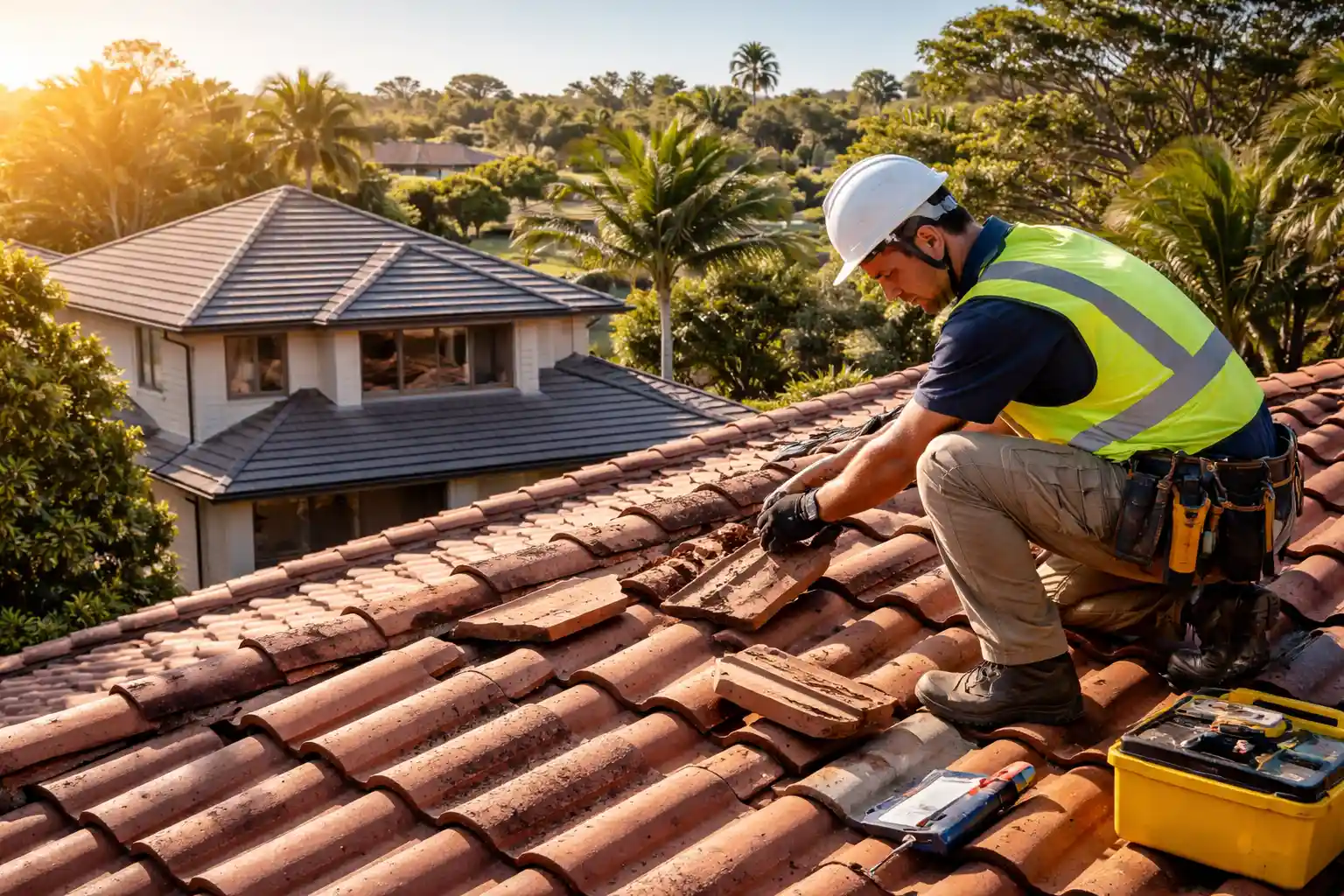
Classic terracotta roof tiles braving the elements. In Sydney’s suburbs (especially older ones), you’ll often see tile roofs – both concrete tiles and traditional terracotta – prized for their durability and insulation. Metal roofs (like Colorbond steel or Zincalume) have surged in popularity for new builds, offering a 40–70 year warranty and excellent fire resistance.
The guide from TradieVerify notes Colorbond is “by far the most popular” for Australian homes, with warranties up to 36 years. Asphalt shingles aren’t common in Australia’s harsh sun but do appear on some homes; they generally wear out much faster. In short, a local Roofing Specialist Sydney will consider both climate and style – matching roof colours to your home’s character while choosing a material that can handle our UV and storms.
Roof Repairs, Restoration & Replacement Explained
Sydney homeowners often wonder: Can I just restore my old roof, or do I need a full re-roof? In practice, it’s a choice among three tiers:
- Roof Repair: This covers small fixes like replacing a few broken tiles, resealing flashing, or patching leaks. No big change in appearance – just maintenance. Minor repairs usually don’t even require council approval, and they’re something a Roofing Specialist Sydney can handle on the spot.
- Roof Restoration: This is a “facelift” for your roof. Restoration means cleaning, priming, sealing and recoating the existing roofing with durable paints or membranes. The roof isn’t taken off; instead, any broken tiles or panels are replaced and the surface gets a new protective coat. Dulux notes this can yield “like-new” results at a lower cost than full replacement. It’s especially sustainable – you avoid hauling old materials to landfill. Restoration is great if your roof structure is sound but just old or weather-worn.
- Re-Roofing (Overlay): Sometimes called “re roofing Sydney” by tradies, this involves nailing new roofing sheets or tiles over the existing roof. The main perk is speed and a lower bill (often just A$4,000–$8,000 for a typical home), since you skip demolition. But overlay is only safe if the old roof deck and underlay are in great shape. Otherwise, it can hide rot or termite damage under the new layer. Think of it like adding a second hat without checking the head – quick but risky for old houses. In Sydney, if your home was built pre-1990, many experts insist on a full tear-off, partly due to possible asbestos.
- Full Roof Replacement: This is the big one – remove old roof down to the rafters, inspect and fix the structure, then install a brand new roof. It’s disruptive and pricier, but sometimes necessary for very old, damaged or asbestos roofs. A new frame and battens may be installed to support high-end materials. Dulux warns this process requires careful planning (often even council permits if you change materials) and higher upfront cost. On the upside, you end up with a completely new roof covered by fresh warranties.
Roof Replacement & Re-Roofing Costs in Sydney
Money talk: roof replacement cost is a big concern for Sydney homeowners, and this is where a Roofing Specialist Sydney gives you real clarity. Re-roofing/overlaying runs maybe a few thousand dollars if the roof is in good shape, but a full replacement can climb much higher. Most experienced Roofing Specialist Sydney professionals suggest that Sydney re-roof projects typically run $15,000 to $120,000 depending on size, materials and complexity. For a reality check:
- A small terrace/unit (around 80–100m²) with a standard tile or Colorbond roof might cost $13,000–$25,000 for full replacement when assessed by a qualified Roofing Specialist Sydney.
- A typical family home (150–200m²) usually runs $25,000–$80,000, depending on roof complexity and material selection recommended by your Roofing Specialist Sydney.
- Large heritage or specialty jobs (200–300m² or Welsh slate roofs) can soar to $100,000–$220,000+, especially when a Roofing Specialist Sydney needs to manage structural upgrades and detailed craftsmanship.
These figures assume quality labour and all permits done right. The national average roof replacement sits around $15k–$30k for a standard home, but Sydney tends to be a bit higher. A mid-range Colorbond replace is often about $24k–$38k in Sydney, roughly 15–20% above the Aussie average. Why? Our city’s labour rates are higher, and strict council rules (and traffic for materials) add cost — something any experienced Roofing Specialist Sydney will factor into your quote.
In practice, ask your Roofing Specialist Sydney for an itemised quote. Factors driving price include roof area, pitch (steep roofs cost 15–30% more labour), the need for scaffolding and safety gear, and whether you require structural repairs under the deck. Even a mid-tier Colorbond job might break down as: ~$4k–$10k to remove the old roof, ~$3k–$7k for new materials per 200m², ~$8k–$16k for labour, plus scaffolding and any extras.
Always get at least two quotes from a licensed Roofing Specialist Sydney and confirm what’s included. Cheaper isn’t better if it means unlicensed work or subpar materials – that decision could cost you double in five years.

Modern Sydney home roof designed for harsh weather by Roofing Specialist Sydney
Hiring a Roofing Specialist in Sydney
Who should you trust with that check-up on your home? Here are some pro tips for finding Roofing Specialist Sydney who won’t let you down:
- Licence & Compliance: In NSW, any roofing/plumbing work over $5,000 requires a licensed tradesperson. This is non-negotiable – doing unlicensed work can result in hefty fines. Always ask for the licence number of your roof plumber or contractor. You can even verify it online through Service NSW. If someone promises rock-bottom rates but dodges this, walk away.
- Local Experience: Sydney’s architecture is unique – from Federation style roofs to modern flats. A local specialist will know which roofing materials suit our climate, council rules (like heritage overlays in suburbs such as Paddington or the North Shore), and the pitfalls in our area (like leaf build-up in leafy Shire suburbs or salt corrosion near Bondi). Check if they mention membership in bodies like the Master Roof Plumbers Association, or if they follow Australian Standards (AS 1562 etc.).
- Referrals & Reviews: Word of mouth still rules. Ask neighbors or search online for reviews. “Roofing Specialist Sydney” is a common Google search; see whose name comes up consistently with 4–5 star ratings. Good quotes often come with clear scope, written guarantees (a reputable roofer might offer a 10–20 year workmanship warranty) and proof of insurance.
- Site Inspection: Beware the “one-hour quote” that’s done entirely over the phone or by email. A pro should visit, climb up (safely), and explain their findings. During initial chat, listen for explanations of their plan. A quality specialist will explain why certain tiles need replacement, show you photos, and be transparent about costs – not push a cookie-cutter solution.
- Ask Questions: Feel free to ask about their process. For example: “Will you dispose of the old materials responsibly?” or “How will you secure my home during works?” This not only shows they’re thorough, it also builds trust. You could mention that Roofing Specialist Sydney firms often handle the paperwork too (some may even organise the complying development certificate if you’re changing roof materials, as [34] notes for bigger jobs).
Roof Maintenance Checklist for Sydney Homeowners
Keeping your roof in top shape is an ongoing job – consider these routine “check engine” tasks:
- Biannual Inspections: Have a pro (or safely do it yourself with binoculars) check your roof at least once a year, ideally in spring or early summer. And always after a big storm. Look for loose tiles, cracked flashing or sealant gaps.
- Clean Gutters & Downpipes: Gutters clogged with leaves will send water back onto your roof and into your walls. Clean them at least twice a year, or after Autumn leaf-fall and before winter rains.
- Trim Overhangs: Cut back any tree limbs that hang over the roof. Even a small branch can break tiles or tear shingles in high winds – plus it drops extra debris into gutters.
- Moss & Debris Removal: Sydney’s humidity can spawn algae and moss, especially in shaded areas. These hold moisture against the roof, degrading materials. Clear visible growth promptly. (Pro tip: a gentle pressure wash by professionals every 12–18 months is ideal. In fact, experts recommend pro cleaning on this schedule for most Sydney homes, and even more often in leafy or coastal neighborhoods.)
- Interior Checks: Watch your ceilings and attic. Water stains, peeling paint or new mould are tell-tale signs of slow leaks. Don’t ignore them – even a tiny drip today can become a structural headache later.
- Gutter Guards & Flashing: Consider installing gutter guards to reduce blockages (Fixed Today suggests this as a low-effort safeguard). Check flashing and seals around chimneys, vents and skylights; failing seals are a common leak source.
- Professional Tune-up: Think of a roofing specialist’s visit like an annual health check. A good roofer can spot and fix small issues before they become emergencies. Sydney’s experts often say an ounce of prevention is worth a pound of cure when it comes to roofs.
By staying on top of these tasks – and by picking a Roofing Specialist Sydney who really cares – you can extend the life of your roof by years. Routine care saves you big bucks and trouble down the road.
Conclusion & Call to Action
Whether your roof is sleek and modern or classic and tiled, it deserves expert attention. From Balmoral to Brookvale, Sydney homeowners rely on their roofs to stay safe and comfortable. The city’s climate doesn’t compromise, so neither should you. Remember: a licensed Roofing Specialist Sydney not only fixes problems, they also prevents future headaches. Trust them to help you navigate materials, permits and roof care – ensuring your home weathers every season in style.
Ready to take action? Don’t let a few drips turn into a flood. Schedule a roof inspection today and keep your home (and yourself) dry and happy.
FAQs
- Q: How often should I have my roof checked or cleaned?
A: Aim for a professional inspection at least once a year (often in spring) and immediately after major storms. Also clean gutters twice a year. Many pros recommend a full roof clean every 12–18 months. - Q: What is the difference between re-roofing and a full roof replacement?
A: Re-roofing (overlay) means putting new roof sheets over the old ones – cheaper ($4k–$8k) but only for fairly new, sound roofs. A full replacement strips the roof to rafters and installs a brand-new roof ($10k+). It’s more costly but needed for older or damaged roofs. - Q: How do I know if I need repairs, restoration or replacement?
A: Minor leaks or a few broken tiles often just need repair or possibly restoration (cleaning/coating). But if the roof is 20–30+ years old, sagging, or has widespread damage, a full replacement is usually best. - Q: What does a typical roof replacement cost in Sydney?
A: It varies widely by size and material. For example, a small unit (~80–100 m²) might be $13k–$25k, while a 150–200 m² home could be $25k–$80k. Nationally, most standard roof replacements run $15k–$30k on average. Sydney tends to be 10–20% higher than average. - Q: How do I choose a good roofing specialist in Sydney?
A: Verify their NSW contractor licence (mandatory for jobs >$5k). Check reviews, ask for past work photos and warranties. A reliable roofer will visit your home to inspect before quoting, explain needed work clearly, and handle any council permits. Always get the contract in writing.