
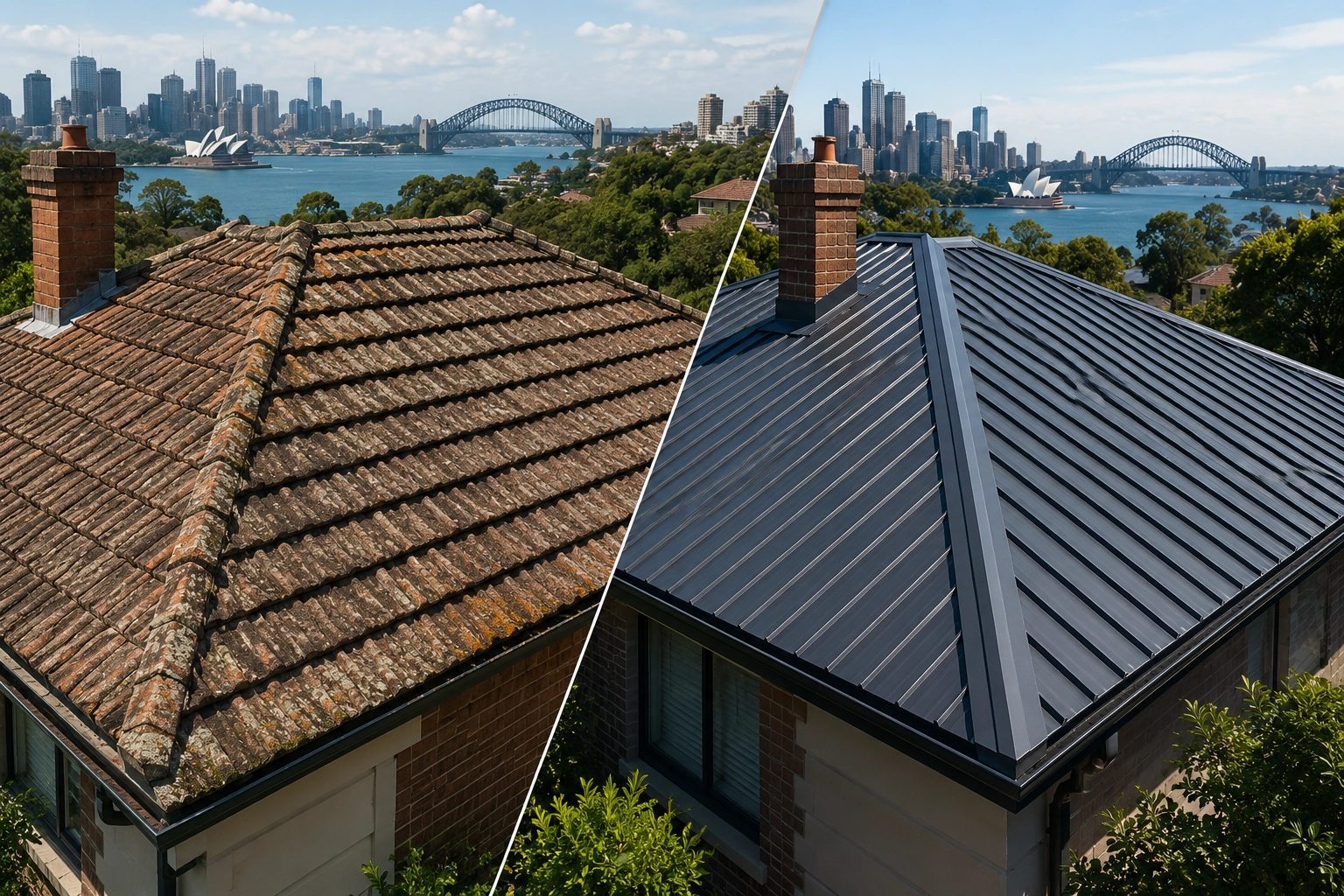
Storms can cause hidden damage to homes that isn’t immediately obvious. Identifying issues early can prevent costly repairs and keep your family safe. In this guide, we’ll cover how to spot common storm damage around your property and when it’s best to involve professionals.
Common Signs of Roof and Structural Damage
After a severe storm, check your roof and exterior for any signs of damage. Look for missing or cracked roof tiles, dents in metal roofing, and loose gutters. Interior signs include water stains on ceilings or walls, peeling paint, and damp patches. For wooden structures, inspect for splintering or cracks that may have formed from strong winds.
Storms often leave debris that can cause secondary damage. Fallen branches or other heavy objects may dent roofing, break windows, or damage fences. Keep an eye out for tiles that have shifted or flashings that appear loose. These issues can compromise the waterproofing of your home and lead to leaks if left unattended.
Checking Windows, Doors, and External Fixtures
Windows and doors are vulnerable to high winds and hail. Inspect for cracks, chips, or broken seals. Hail can also cause dents or scratches on aluminium frames. Garage doors and external shutters may have shifted off their tracks or sustained denting. It’s important to assess these quickly, as compromised seals can allow water and air to enter your home, reducing energy efficiency and increasing the risk of mould growth.
Yard and Landscaping Indicators
Storm damage isn’t limited to the home itself. Check your gutters for blockages or dislodged downpipes. Inspect fences for leaning posts or broken panels. Trees and shrubs near your house should be examined for broken branches or roots that may have lifted pathways or affected underground utilities. Even small cracks in driveways or paving can indicate structural stress from strong winds or water pooling.
When to Call a Professional
If you notice significant roof damage, leaks, or structural issues, it’s time to contact a qualified roofing specialist like Harwil PTY LTD. Professionals can safely assess the extent of damage, perform temporary protection to prevent further issues, and provide repair or replacement solutions. Attempting repairs without expertise can lead to personal injury or more extensive damage.
Conclusion
Being able to identify storm damage early can save you time, money, and stress. By regularly inspecting your roof, walls, windows, and yard after severe weather, you can catch problems before they escalate. When in doubt, reach out to Harwil PTY LTD for a thorough assessment and reliable advice. Protect your home and family by taking action promptly after any storm event.
FAQ
Q1: How quickly should I check my home after a storm?
A1: Inspect your property as soon as it is safe, ideally within 24–48 hours after the storm. Prompt checks help catch damage early.
Q2: Can small roof cracks cause serious problems?
A2: Yes, even minor cracks can lead to water ingress and rot if not addressed. Professional assessment is recommended.
Q3: Are gutters usually damaged during storms?
A3: Gutters can be displaced, dented, or blocked with debris. Checking and clearing them prevents overflow and water damage.
Q4: What if I’m unsure about internal water damage?
A4: Look for discolouration, damp smells, or bubbling paint. If uncertain, a professional can detect hidden leaks and advise on repairs.