
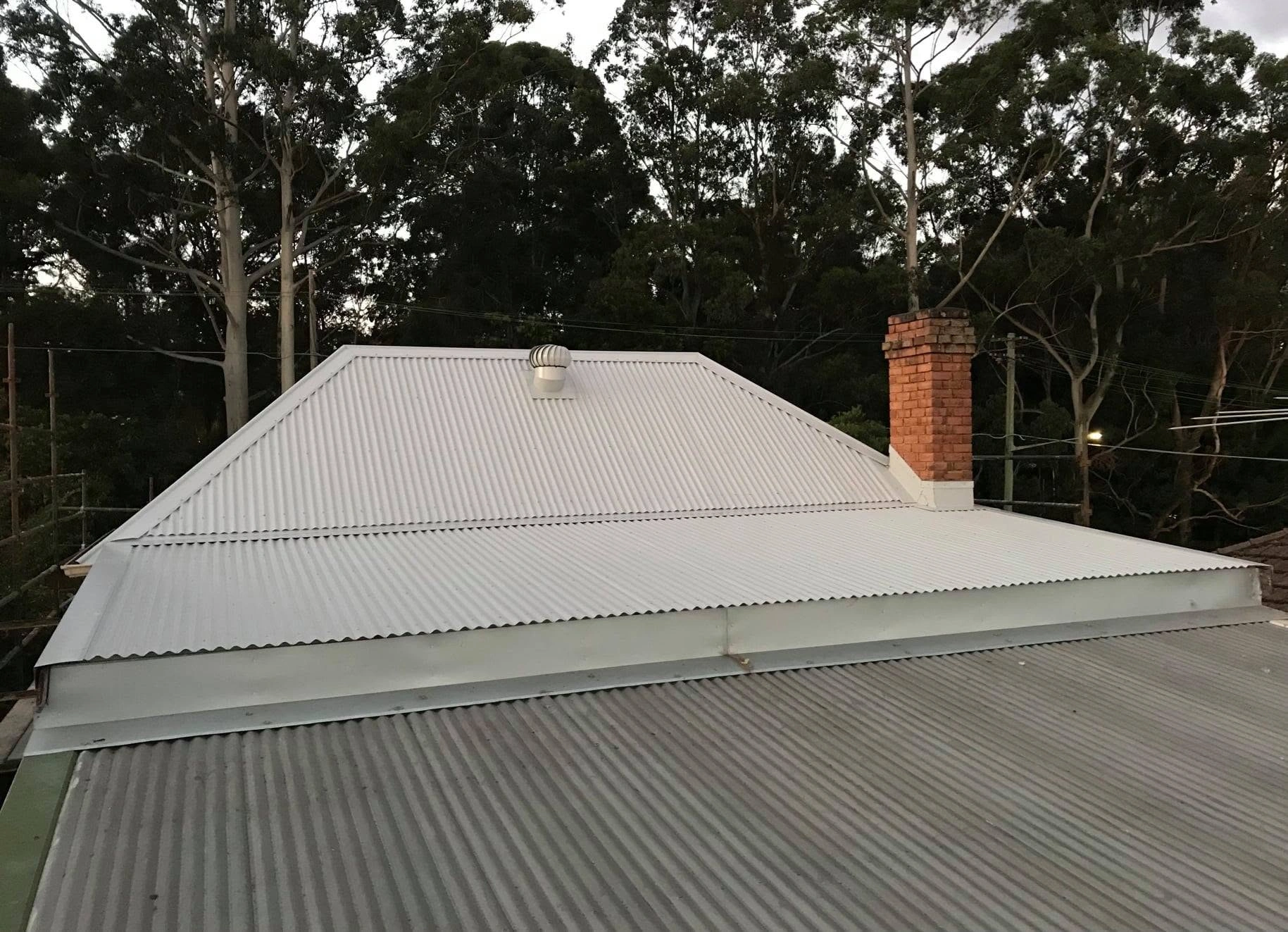
A warehouse, factory, or distribution centre rarely receives attention until a leaking roof during a Sydney storm, rising energy bills, or water damage turn it into an expensive problem. Investing in an industrial roof replacement prevents these issues from disrupting your workplace.
Operating an industrial facility in Sydney means your building copes with some of the harshest weather in the country. Punishing summer heatwaves, torrential east coast lows, high winds, aggressive salt spray from the coast, and decades of structural wear all work together to slowly compromise old roofing systems.
Stripping off an old deck for a modern industrial roof replacement does a hell of a lot more than just patch over annoying leaks. Done right, it slashes your warehouse cooling bills, bulletproofs million-dollar inventory, upgrades your WHS safety footprint, drives up the actual valuation of the asset, and completely wipes out your ongoing patchwork repair bills.
This breakdown cuts straight through the noise to give you the hard facts on managing an industrial roof replacement sydney. We pull back the curtain on true project costs, material choices, hidden warning signs, realistic shift timelines, and how to spot a dodgy contractor quote. No marketing fluff, just practical, real-world advice so you can pull the trigger with total confidence.
Why Industrial Roof Replacement Often Starts Too Late
Many facilities continue operating with ageing roofs long after warning signs become obvious. Small leaks are patched, rusted sheets are treated, and maintenance budgets absorb the expense year after year. That hidden spread is one reason an industrial roof replacement tends to arrive later than it should.
There is also a common belief that visible leaks represent the actual extent of roof problems, masking broader building maintenance requirements. Field experience suggests otherwise. Water can travel surprising distances through insulation, structural members, and roofing cavities before appearing inside a building.
The real problem with large-scale projects is timing. Most businesses are buried deep in production schedules, stock logistics, staffing fires, and client delivery deadlines. The warehouse roof stays completely out of sight and out of mind until the ceiling caves in over a major packing line. The second your daily trading is crippled, you’re forced into an emergency industrial roof replacement based on rushed, panicked decisions.
Hidden Building Defects Found After Roof Removal Begins
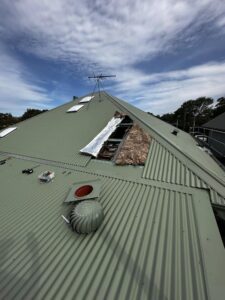
Here’s a blunt truth about large-scale roofing work: you never truly know what you’re dealing with until you start tearing the old iron off. Drone footage and core samples are great, but severe structural dry rot and rusted framework stay completely hidden beneath old insulation blankets and metal sheets. It’s incredibly common to drop the first row of deck and uncover structural decay that no ground-level inspector could have ever spotted.
Older Sydney factories reveal decades of hidden compromises once the old skin comes off. Corroded purlins, sheared screws, and botched gutter plumbing turn up constantly. If past tenants used quick band-aids instead of an industrial roof replacement, it will heavily impact your contingency budget.
Some investors assume a roof project only involves replacing external sheets, creating budgeting problems. Roofing systems interact with drainage, ventilation, and structural support. The most expensive surprises are rarely the covering itself, but components quietly deteriorating underneath, making a timely industrial roof replacement vital.
How Sydney Weather Quietly Changes Roof Lifespans
Property managers often blame a single storm for a collapse, but the daily grind does the real damage. Sydney’s intense UV, humidity, and salty coastal winds hammer the iron for over twenty years, eating away protective coatings. It’s easy to underestimate how close the structure is to failing before needing an industrial roof replacement.
During planning discussions for an industrial roof replacement, many owners focus on recent leaks rather than decades of environmental exposure. Metal roofing expands and contracts thousands of times throughout its service life. Sealants age. Protective coatings wear down. Fixings loosen incrementally. None of those changes attracts attention on a daily basis, yet together they influence how a roofing system performs over time.
Coastal properties face salt-laden air that accelerates corrosion, while inland facilities deal with prolonged heat loads affecting internal temperatures. Because location and conditions dictate wear, two identical buildings can require very different interventions, often making a full industrial roof replacement the only predictable solution.
Repair Budgets That Slowly Outgrow Common Sense Over Time
Most owners prefer repairs before considering replacement. The difficulty arises when maintenance spending becomes routine, and roofing contractors attend several times each year to fix recurring leaks. Breaking this cycle with an industrial roof replacement is often cheaper than ongoing patch jobs while broader deterioration continues unchecked.
A detailed review often changes perspectives. During evaluation for an industrial roof replacement, maintenance records sometimes reveal substantial spending over five or ten years. None of those individual invoices appears alarming on their own. Viewed collectively, however, they may represent a significant percentage of replacement cost while delivering little improvement in overall roof condition.
There are also hidden operational expenses. Maintenance staff coordinate access. Production teams work around affected areas. Temporary protection measures are installed. Inventory may need relocation during wet weather. These disruptions rarely appear within roofing budgets, yet they carry genuine business costs that can only be permanently halted with an industrial roof replacement.
Material Choices That Look Cheap Until Year Five Arrives
It’s easy for material choices to get sidetracked by the initial price tag. Naturally, building owners want to keep costs predictable and get good value. But the cheapest quote during the bidding phase often turns into a maintenance nightmare down the road, which is why choosing premium materials for an industrial roof replacement usually saves you way more money over time.
Planning an industrial roof replacement involves balancing durability, energy performance, maintenance expectations, and future operational needs. Some facilities benefit from insulated roofing systems because internal temperature control directly affects productivity or storage requirements. Others gain little advantage from that additional expense. The right choice depends heavily on how a building is used rather than what appears attractive in a product brochure.
Another observation from project work is that owners sometimes buy for the current problem instead of future requirements. A facility expecting operational growth may need roofing solutions capable of supporting future equipment, access systems, or energy initiatives. Decisions made solely around immediate costs can create limitations, whereas a forward-thinking industrial roof replacement prevents constraints that become expensive to overcome several years later.
Contractor Selection Problems Seen Across Projects Daily
Picking the right crew is easily one of the most overlooked parts of a major roofing project. Price is obviously a factor, but actual on-site industrial experience matters so much more. Running a job around live operations, strict safety rules, tenant demands, and tough logistics requires a highly specialised skillset, making a solid track record in dedicated industrial roof replacement vastly more important than basic commercial experience.
Most owners looking into an industrial roof replacement get hyper-fixated on comparing bottom-line quotes while completely ignoring the contractor’s actual project management runs on the board. A builder can drop a dirt-cheap, competitive quote but completely fall apart when it comes to site staging, night-shift logistics, or keeping your factory floor dry.
Finding the right team is easily one of the most overlooked parts of a major roofing project. While a competitive price matters, hands-on experience in tough industrial settings matters so much more. Managing a project around active machinery, strict safety protocols, tenant needs, and tight site layouts requires a highly specialised approach, making a real track record in industrial roof replacement way more important than basic commercial experience.
Industrial Roof Replacement vs Roof Repairs
A common question among business owners involves whether repair or replacement offers better value.
| Factor | Roof Repairs | Industrial Roof Replacement |
| Initial Cost | Lower | Higher |
| Long-Term Value | Moderate | High |
| Energy Savings | Limited | Significant |
| Maintenance Costs | Ongoing | Reduced |
| Lifespan Extension | Short-Term | Long-Term |
| Business Protection | Partial | Comprehensive |
Keeping Operations Running During Major Roof Works
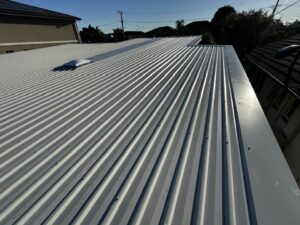
One of the biggest concerns surrounding roof projects involves business continuity. Many owners assume construction automatically requires complete shutdowns. Sometimes that happens, particularly where safety or production requirements demand it. In many cases, however, an industrial roof replacement can be staged in ways that allow daily business operations to continue safely.
An industrial roof replacement often succeeds because of planning rather than construction speed. Warehouses can be divided into work zones. Access routes can be adjusted. Deliveries can be coordinated around critical activities. Projects that consider operational realities early usually encounter fewer disruptions than those driven solely by installation schedules.
There is a tendency within the industry to promise minimal disruption. Reality is more nuanced. Roofing work affects access, noise levels, logistics, and sometimes internal conditions. The goal is not eliminating inconvenience entirely; the goal is managing it effectively. Businesses that prepare for temporary adjustments and plan for an industrial roof replacement generally experience smoother outcomes than those expecting construction to occur without any operational impact.
Ownership Plans Shape Better Roofing Decisions Long Term
Different ownership strategies naturally lead to different roofing decisions. A business intending to occupy a facility for twenty years evaluates investments differently from an investor preparing a property for sale. Neither approach is wrong. The challenge is matching your industrial roof replacement decisions to these broader property objectives.
Your long-term commercial strategy changes the entire industrial roof replacement project scope. Long-term owner-occupiers want heavy-duty steel gauges, maximum warranties, and total insulation upgrades to kill off future maintenance costs. On the flip side, institutional investors looking to flip the asset in two years care more about cosmetic presentation, clearing out tenant risk liabilities, and marketability.
If there is one thing facility managers learn the hard way, it is that waiting never makes things easier. Roofs keep deteriorating whether the market is good, business is busy, or budgets are tight. Pulling the trigger on a planned industrial roof replacement gives you way more control and flexibility than frantically reacting to a massive failure. The smartest move is always to assess the roof early and act before the weather makes the choice for you.
Conclusion
Maintaining a facility’s roof means shifting focus away from endless band-aid fixes and treating it like a long-term business asset. Delaying a major project might keep money in the bank this quarter, but neglecting a failing system just lets the damage compound. It doesn’t take long for hidden structural decay, compounding patch bills, and a bad storm to turn a deferred decision into an absolute emergency.
A well-timed industrial roof replacement is a strategic asset investment, not just a maintenance cost. Contact us today to discuss your facility’s needs and ensure your project stages safely around daily operations. Aligning the scope with your goals eliminates recurring bills, lowers energy costs, and protects inventory.
Frequently Asked Questions
1. How can a business tell whether repairs are still worthwhile?
It comes down to tracking patterns, not one-off leaks. A random drip after a record-breaking storm just needs a quick maintenance visit. But if you’re calling out roofers every three months to patch up different bays across the building, the metal is dead. Look at your ledger. If you’re throwing thousands at recurring repairs and the leaks keep moving, you need a full industrial roofing replacement.
2. What affects the cost of an industrial roofing project the most?
Total square footage is only the starting point for a quote. The real costs for a factory roof replacement Sydney come down to complex logistics—things like restricted crane setups, the structural integrity of the underlying steel framework, required perimeter edge protection, material choices, upgrading to modern insulation standards, and whether the crew needs to work around your live operational schedules.
3. Can industrial facilities stay operational during roofing work?
Rarely. Most active logistics hubs, factories, and cold storage centres keep running completely uninterrupted through a staged sheet-by-sheet delivery program. The trick relies on military-grade staging, tight daily communication lines, drop-nets inside the gantry, and realistic weather tracking. Full shutdowns can happen, but as experienced industrial roofing contractors Sydney, keeping your facility operational is always our primary goal.
4. Why do roofing projects sometimes uncover unexpected costs?
Some issues just don’t show up until you start tearing off the old materials. Things like hidden rust, trapped moisture, rotted framing, or ancient infrastructure rarely show their face during a standard walkthrough. Even when professional industrial roofing services map out every detail to keep things smooth, older industrial buildings always seem to hold a few surprises that nobody could have predicted.
5. Does a new roof improve energy efficiency?
Yes, significantly. Upgrading to modern high-performance insulation blankets and high-reflectivity Colorbond sheeting drops solar heat transfer massively. The actual drop on your electricity bill depends on your specific ventilation and internal setup, but better thermal efficiency should be seen as an immediate, compounding bonus alongside stopping water ingress.
6. What is the most common mistake property owners make?
The first is treating constant, systemic leaks as isolated accidents instead of admitting the entire infrastructure is dead. The second is signing off on the cheapest quote from a domestic roofer who has never set foot on a heavy commercial site. Both blunders look like smart cost-saving moves on Monday, but they always lead to massive blowouts, legal disputes, and property damage down the track.