
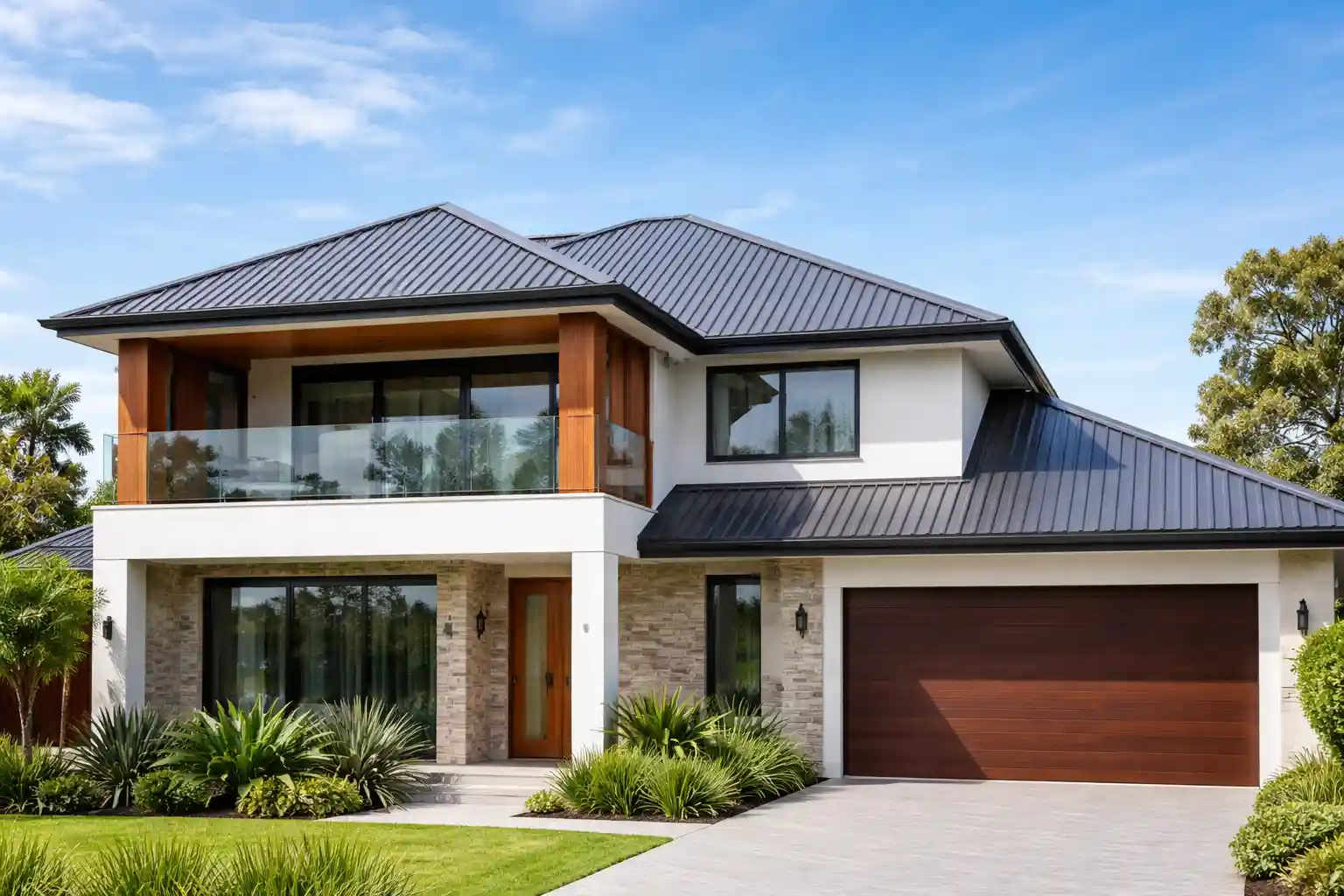
Sydney homeowners, listen up! A leaking roof is not just annoying—it’s often the first sign of deeper structural issues. With Sydney’s mix of intense sun, heavy rainfall, coastal salt air, and ageing homes, roofing systems face constant stress. Over time, even well-built roofs begin to weaken, making early inspection and timely upgrades essential.
If your home’s cover isn’t keeping you dry or maintaining indoor comfort, it may be time to consider Re-Roofing Sydney solutions. In many cases, small visible issues-like cracked tiles or minor leaks—can point to bigger hidden damage underneath.
In this guide, I’ll walk you through the key warning signs, from damaged roofing materials to rising energy costs. You’ll also learn how Re-Roofing Sydney projects work, when a full roof replacement makes sense, and how to choose between tile and metal options. We’ll also break down local council considerations and explain when to involve a roofing specialist or roof plumbers Sydney.
Top Warning Signs Your Roof Needs Replacing
Your roof doesn’t usually scream for attention – but it will whisper through obvious clues. Catch these signs early to save money and headaches. In Australian conditions, the typical red flags include:
- Age: Most Sydney tile roofs last ~30–50 years, and metal roofs 40–70 years. If your roof is decades old, it’s on borrowed time. Sydney’s sun, storms and even salt air (for coastal homes) can hasten aging. For example, if your roof predates the 1990s or you’re renovating an older home, plan to upgrade soon.
- Visible Damage: Cracked, chipped or missing tiles/shingles are a clear warning. Even a few broken tiles let in rain or let heat escape. Coastal weather and windstorms speed up wear. If you spot rust on metal panels or patches of sunlight through your roof, don’t brush it off. Minor repairs might fix a couple of broken pieces, but widespread damage usually means a full re-roofing.
- Leaks and Water Stains: Drips in the attic, damp spots on ceilings or mold growth are the big red flags. Every wet patch or rusty nail heads tells a story of water intrusion. Leaks often hide structural rot and mold behind walls, so what looks like a “simple fix” (a few tiles) could actually be a much bigger problem. In fact, Action Roofing notes that continuing leaks can ruin insulation, framing, and even wiring, turning a small repair into an expensive emergency.
- Sagging or Uneven Roof: If parts of the roof look bowing or softer than others, yikes – that’s serious. A sagging roof deck means structural issues like weakened beams or incorrect framing. Roofers warn this is not something to ignore; left unchecked it can collapse. Sagging often happens when water damage or design flaws weaken the support. In Sydney’s storms or simply over time, the extra weight makes things buckle. If your roof has dips or the ridge lines aren’t straight, definitely get a pro’s eyes on it.
- High Energy Bills: A sneaky indicator is your wallet. If heating/cooling costs suddenly jump and the roof looks tired, your insulation is likely failing. An old roof can lose its insulation and ventilation, making your home boil in summer and chill in winter. Modern roofing materials are much more energy-efficient. In fact, replacing an old roof with new Colorbond or quality tiles can dramatically cut power bills – often enough savings to offset the install cost over time.
Spot any of the above? It’s time to take action before a small leak turns into a ding in the living room.
Tile vs Metal Re-Roofing: What’s Best for Sydney?
When you decide on roof replacement in Sydney, material choice is huge. The classic debate: Tile roof replacement (terracotta or concrete) or switching to metal re-roofing (like Colorbond® steel)? Both have pros and cons in Sydney’s climate. Here’s a quick rundown:
- Terracotta/Concrete Tiles: These last a very long time (often 50+ years) and look traditional. Tiles have great natural insulation (they keep heat out) and even soundproofing. But they’re heavy and can crack under impact or movement. Installing them is labour-intensive (you’ll pay more in structure support and labour). In coastal Sydney, tiles must be fully sarked (with waterproof membrane) for bushfire and wind ratings. Maintenance means repointing ridge caps and occasional broken tile swaps.
- Colorbond Metal Roofing: Modern pre-painted steel roofing is a popular choice for Re-Roofing Sydney projects. It’s lightweight, making installation quicker and easier, especially for multi-level homes. It offers strong bushfire resistance (many profiles meet high BAL ratings for Australian conditions) and performs well in coastal areas with proper coating. This type of metal roof can also help reflect heat, improving indoor comfort. It typically lasts around 30–45 years, slightly less than tiles, but requires very little maintenance. With a wide range of colour options, it delivers a sleek, modern finish.
To help compare, here’s how initial costs stack up for a typical Sydney house (170m² roof):
|
Roofing Type |
Cost per m² (Sydney) | Total for 170m² |
|
Concrete Tiles |
$85 – $110 | $14,500 – $18,700 |
|
Terracotta Tiles |
$100 – $150 |
$17,000 – $25,500 |
| Colorbond Std | $95 – $130 |
$16,150 – $22,100 |
| Colorbond Premium | $120 – $155 |
$20,400 – $26,350 |
(These 2025 Sydney rates include materials, labour, and basic fixtures. Complex roofs can be 15–30% more.)
As you see, tile roofing costs slightly less than Colorbond upfront. But factor in lifespan and maintenance: tiles might need repointing or broken tile replacements every 10–20 years (often costing a few thousand each time), whereas a Colorbond roof usually just needs an occasional wash. Some Sydney insurers even give discounts for metal roofs because of their storm/fire performance.
Many Sydney roofers say tile-to-metal re-roofing is popular for this reason. Converting a cracked old tile roof to Colorbond can both modernise the look and solve multiple problems at once. As one local expert notes, switching from tiles to metal “can improve your home’s protection from the elements while reducing maintenance”. Colorbond panels are slimmer and cover large areas quickly, so the job finishes faster, too. The metal roof will stand up better against future hail or salt air (as long as it’s the right gauge and finish).
That said, a new tile roof can be worth it if you love the classic aesthetic. Tiles naturally ventilate and are non-combustible. If you re-tile, go for modern concrete profiles (Boral or CSR brands) and install updated sarking and ventilation per standards. But remember: replacing tiles is heavier on the wallet initially (see table above) and on the frame. Any time you add a tile roof, check the roof structure – reinforcing timber beams may be needed, and that adds cost.
Ultimately, the best material is the one that fits your home and budget. For a heritage cottage, tiles keep the look. For a light-weight contemporary home, Colorbond is probably better. In either case, ensure installers use Australian standards (AS 2050 for tiles, AS 1562.1 for metal) to get that full lifespan and warranty support. (Official Australian industry sources highlight that modern coated steel roofing offers long-lasting performance in harsh local weather conditions.)
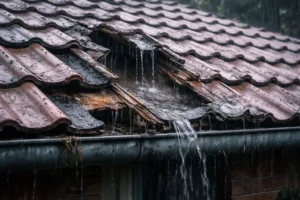
Close-up of damaged roof with cracked tiles and active leaks during rain, highlighting need for Re-Roofing Sydney and urgent roof repair
Sydney’s Climate and Building Rules
Don’t forget local factors. Sydney’s coastal suburbs hit roofs with salty air and strong sun. Regular maintenance is key – coastal roofers often recommend cleaning gutters, flashings, and checking sealants yearly to prevent salt build-up and corrosion. For example, in areas like Sutherland or Cronulla, many pros advise inspecting gutters and downpipes more often because salt spray “can build up over time and cause corrosion, especially on metal roofs”. Using Colorbond or zincalume steel specially coated for coastal use can mitigate this.
Sydney also enforces building codes and permits on roof work. Major re-roofing (especially if the roofline changes or you switch materials) usually needs a Development Approval or Complying Development Certificate. The National Construction Code (NCC) guidelines outline requirements for roof pitch, insulation, ventilation, and even colour in heritage areas. For example, heritage homes may be restricted in roof colour or style, and any re-roofing must preserve the streetscape character.
My advice: talk to your local council or a private certifier early. They can confirm if you need a permit. If you’re lucky, replacing like-for-like (tile for tile, metal for metal) might be exempt. But mixing it up (tile-to-metal) often requires approval since it changes the structure’s load and appearance.
Always use licensed professionals. A compliant roof job means inspectors might check flashings, battens, fasteners, etc. As one roofing guide notes, you should “use licensed contractors” and follow all inspection requirements. This protects your insurance and warranty. In fact, not getting approval or using unlicensed labor can void homeowner insurance or even trigger stop-work orders.
Finding the Right Pros: Roof Specialists & Roof Plumbers Sydney
You don’t have to do any of this yourself – but make sure you hire smart. In Australia, a “roof plumber” is a true expert in roof drainage (gutters, flashing, downpipes, rainwater tanks), on top of being able to re-roof. Meanwhile, a roofing specialist in Sydney handles the panels, tiles, and waterproofing. When searching, look for fully insured, licensed roofers who work to standards (for example, many Sydney pros advertise they are “registered installers of COLORBOND®”).
Ask for references. A good roofer can show recent projects in your suburb (Sydney homes range from Art Deco in Bondi to classic brick styles in Auburn). Chat with neighbours or check online reviews to understand the quality of work and reliability. Also ask about warranties. Many roofing materials come with manufacturer warranties, but poor installation can void them. Experienced roofing specialist Sydney professionals will inspect your roof (often free or low cost) before quoting and provide a clear, detailed report.
Check licensing: NSW law requires builders and roofers to hold the right licences for structural work (a roofing licence) and plumbing licences for roof plumbing. It’s okay to hire a roofer who can do basic guttering, but only a licensed roof plumber should modify drainage systems or install large new gutters and tanks. For a hassle-free job, you might even find Sydney contractors who offer both services or teams that partner (some companies are indeed “roofing and plumbing specialists”).
Finally, trust your gut: communicate clearly. A friendly roofer will explain every step (e.g. removing old tiles, checking frames, adding insulation if needed). They’ll follow Australian standards (mention AS 2050 for tiles or AS 1562.1 for metal). If anyone rushes you or just says “don’t worry, we’ll do it fast,” beware. Go with someone who shows you samples or explains benefits. That approach is what earns both a good result and trust.
Conclusion: Take Action Before It’s Too Late
By now you know the drill: keep an eye out for cracked tiles, leaks, sagging decks or rising power bills. Sydney’s tough weather won’t wait, and an old roof can only limp along so long. If you notice any warning signs, don’t delay. Book an inspection with a reputable roofing specialist – they’ll confirm whether re-roofing Sydney is needed now or if repairs will suffice.
Remember, investing in a solid roof protects everything under it — your family, your belongings, and your home’s value. Plus, a new roof (whether classic terracotta tiles or sleek modern metal roofing) is a great way to refresh your home’s look and improve comfort. High-quality roofing materials are designed to perform well in Australian conditions, and with proper installation, tile roofs can last decades. Whichever route you choose, plan carefully, follow council rules, and work with professionals you trust.
Stay proactive. A stitch in time saves nine – or, in this case, potentially thousands of dollars. If your roof’s looking tired, now’s the time to re-roof Sydney. Call a licensed roofer or roof plumber, get your quotes, and sleep easier knowing your home is safe from the next downpour.
Frequently Asked Questions
Q: How do I know if I need a full roof replacement?
If your roof is 20–30+ years old, leaking, or has cracked tiles, Re-Roofing Sydney or full roof replacement is often needed for lasting protection.
Q: What’s the difference between reroofing and roof replacement?
Re-Roofing Sydney adds new layers over a sound roof, while roof replacement removes everything. Metal re-roofing or tile roof replacement depends on structure.
Q: What role do roof plumbers play in re-roofing?
In Re-Roofing Sydney, roof plumbers Sydney install gutters, flashing, and drainage. They ensure water flows properly during metal roof replacement or repairs.
Q: How much does re-roofing cost in Sydney?
Re-Roofing Sydney costs about $140–$200/m². Metal roof replacement or Colorbond re-roofing may cost more depending on size and design.
Q: Do I need council approval to re-roof in Sydney?
For Re-Roofing Sydney, approvals may be needed if changing structure or materials like tile to metal re-roofing. Always check local council rules.
Q: How do I find a trusted roofing specialist in Sydney?
Search for roofing specialist Sydney with licences and reviews. For Re-Roofing Sydney, choose experts offering warranties and strong local experience.